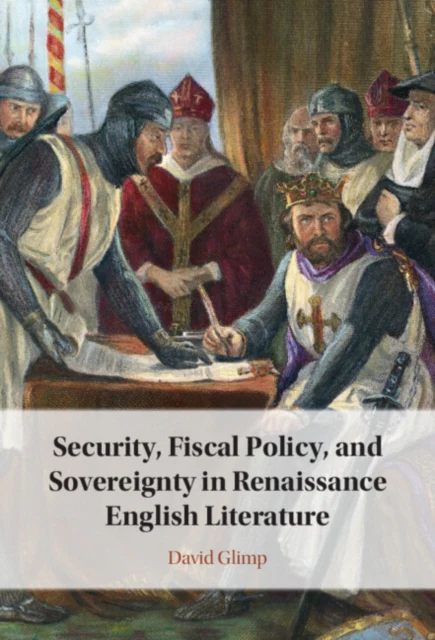
Security, Fiscal Policy, and Sovereignty in Renaissance English Literature by David Glimp
Taxation was a central challenge for England's rulers during the Renaissance, and consequently became a major theme for some of the period's greatest writers. Through close readings of works by Thomas More, Christopher Marlowe, William Shakespeare, George Herbert, and John Milton, David Glimp reveals how these writers and others grappled with the period's expanding systems of taxation and changing understandings of collective security. Such debates involved questions of political obligation, what it meant to be safe, and the nature of political community itself. Challenging dominant understandings of Renaissance sovereignty, Glimp explores in greater detail than ever before how early modern authors thought about and engaged the fiscal realities of government. From?Utopia?to?Paradise Lost, his groundbreaking analysis illuminates how Renaissance literature addressed concerns about fiscal policy, state power, and collective wellbeing and will appeal to scholars of Renaissance literature, political theory, and economic history alike.
Binding: Hardback
Binding: Hardback
Taxation was a central challenge for England's rulers during the Renaissance, and consequently became a major theme for some of the period's greatest writers. Through close readings of works by Thomas More, Christopher Marlowe, William Shakespeare, George Herbert, and John Milton, David Glimp reveals how these writers and others grappled with the period's expanding systems of taxation and changing understandings of collective security. Such debates involved questions of political obligation, what it meant to be safe, and the nature of political community itself. Challenging dominant understandings of Renaissance sovereignty, Glimp explores in greater detail than ever before how early modern authors thought about and engaged the fiscal realities of government. From?Utopia?to?Paradise Lost, his groundbreaking analysis illuminates how Renaissance literature addressed concerns about fiscal policy, state power, and collective wellbeing and will appeal to scholars of Renaissance literature, political theory, and economic history alike.
Binding: Hardback
Binding: Hardback
$129.27
Security, Fiscal Policy, and Sovereignty in Renaissance English Literature by David Glimp—
$129.27
Description
Taxation was a central challenge for England's rulers during the Renaissance, and consequently became a major theme for some of the period's greatest writers. Through close readings of works by Thomas More, Christopher Marlowe, William Shakespeare, George Herbert, and John Milton, David Glimp reveals how these writers and others grappled with the period's expanding systems of taxation and changing understandings of collective security. Such debates involved questions of political obligation, what it meant to be safe, and the nature of political community itself. Challenging dominant understandings of Renaissance sovereignty, Glimp explores in greater detail than ever before how early modern authors thought about and engaged the fiscal realities of government. From?Utopia?to?Paradise Lost, his groundbreaking analysis illuminates how Renaissance literature addressed concerns about fiscal policy, state power, and collective wellbeing and will appeal to scholars of Renaissance literature, political theory, and economic history alike.
Binding: Hardback
Binding: Hardback